
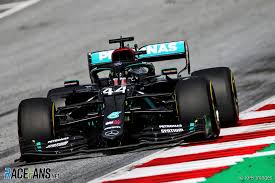
1. Mercedes Dominance (2018–2020)
From 2018 through 2020, Mercedes stood at the peak of Formula One, continuing a dynasty that began in 2014. During these three consecutive seasons, Mercedes secured the Constructors’ Championship each year, powered by its hybrid-era technical excellence and strategic mastery. The team’s lead driver, Lewis Hamilton, also captured the Drivers’ Championship in all three seasons, showcasing consistent speed, racecraft, and mental strength. Mercedes’ superiority came from a combination of an extremely efficient power unit, advanced aerodynamics, and one of the most experienced and deep engineering teams on the grid. This period reinforced their reputation as the benchmark in modern F1. Bet365 News+1
2. Technical and Strategic Strength of Mercedes
Mercedes’ dominance wasn’t just about winning; it was about the margins by which they controlled races. The team mastered the new hybrid engine regulations and found performance advantages other teams struggled to match. Their car designs were consistently strong in high-speed and mid-corner sections, which translated into superior qualifying and race pace. Hamilton’s experience combined with his teammate (such as Valtteri Bottas) meant Mercedes could score huge points in both titles while also optimizing pit strategy and tire management—key aspects in modern Formula One success.
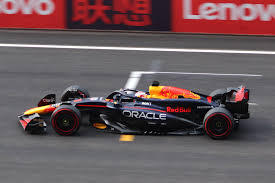
3. Red Bull Era (2021–2024)
The Red Bull Racing team rose to dominance starting with the 2021 season, heralding a new chapter in F1. From 2021 through 2024, Red Bull clinched four straight Constructors’ Championships, establishing themselves as the class of the field. Their star driver Max Verstappen won the Drivers’ Championship in each of these years, showcasing breathtaking consistency, raw speed, and an ability to extract performance from the Red Bull car under varied conditions. Red Bull’s engineering—led by legendary designer Adrian Newey—crafted cars perfectly suited to the changing aerodynamic rules, giving them an edge particularly in qualifying and race pace.
4. Red Bull’s Competitive Formula
Red Bull’s formula combined an aggressive aerodynamic philosophy with superb execution on race weekends. The team often produced cars that were fastest over a single lap and resilient in race conditions, pushing rivals like Mercedes and Ferrari to their limits. Verstappen’s driving style, paired with Red Bull’s strategic calls, frequently turned tight battles into decisive victories. Their sustained run of success reshaped F1’s competitive landscape and thrilled fans with intense championship battles, especially as teams jostled to break Red Bull’s stranglehold.
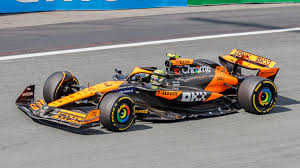
5. McLaren’s Rise to the Top (2025)
The 2025 season marked a dramatic shift as McLaren emerged as the new dominant force in Formula One. McLaren clinched the Constructors’ World Championship, backed by a remarkable performance from drivers like Lando Norris, who also secured the Drivers’ Championship in a thrilling season finale. This success came after McLaren’s steady rebuild over previous years, blending car performance, strategic upgrades, and strong driver development. By winning more races and points than rivals, McLaren broke the recent pattern of Mercedes and Red Bull control, signaling a new era of competitiveness and depth at the front of the grid.
6. Mclaren’s Stratergy(2025)
McLaren’s strategy in the 2025 Formula One season was built around maximizing the strengths of a dominant car while balancing the ambitions of two top-level drivers, Lando Norris and Oscar Piastri. From the outset, McLaren focused on running flexible race strategies that could exploit tyre behaviour and track conditions better than their rivals, often favoring one-stop or adaptable pit windows to maintain track position and protect tyre life — a key advantage given the more robust tyre compounds used in 2025.